
Your business deserves a partner that understands the unique challenges wineries face, from managing risk and controlling costs to navigating complex regulatory and workforce demands. The proven service solutions at FRP Winery Practice are designed to support day‑to‑day operations, reduce exposure and protect your bottom line. The FAQs below address common questions from winery owners and operators and explain how our team of experienced Risk Managers help businesses manage risk, streamline processes and operate with greater confidence.
Winery and vineyard insurance is a specialized approach to risk management designed to address the unique exposures involved in growing grapes, producing wine, and operating winery facilities. Unlike standard farm, personal or general business policies, it is built to account for production risks, wine spoilage, contamination, tasting room liability and event‑related exposures that are typically not covered elsewhere.
This type of coverage is needed because wineries face a wide range of risks, including property damage, equipment breakdown, workers’ compensation, hospitality liability and business interruption caused by weather, wildfire or supply chain disruptions. A tailored insurance program helps ensure these risks are properly addressed, gaps are avoided, and the business is protected as operations evolve.
Yes. The Risk Managers at FRP Winery Practice help insureds help insureds secure coverage by clearly showing insurers how wildfire risk is being managed. This often starts with a review of the property that looks at defensible space, building materials, water supply and access for emergency response.
If improvements are needed, we help coordinate practical mitigation steps such as vegetation management, fire‑resistant upgrades and ongoing maintenance plans. These actions are then documented with photos, timelines and clear explanations.
By presenting underwriters with a well‑supported, easy‑to‑understand submission, we position your property as a controlled, actively managed risk. This improves the likelihood of securing coverage and can help support more favorable terms when available.
Wine inventory is typically valued based on its stage of production, storage method, and intended use. Unlike standard retail inventory, wine often increases in value as it ages, which makes accurate valuation especially important for insurance coverage.
Common valuation factors include:
Because standard property policies may undervalue wine inventory, wineries often rely on wine stock and spoilage coverage to ensure inventory values accurately reflect production costs and selected valuation methods. Proper valuation helps avoid coverage gaps and supports smoother claims if a loss occurs.
Our approach focuses on control, consistency, and long‑term stability. By combining in‑house claims administration for workers’ compensation, property, and liability with a dedicated risk management team, we are able to take a proactive approach to loss prevention and claims oversight.
We work closely with insureds to identify potential hazards early, address issues before losses occur, and respond quickly and strategically when claims arise. This hands‑on coordination allows for better management of medical care, return‑to‑work programs, and overall claim outcomes.
Over time, this helps reduce claim frequency, limit severity, and shorten claim duration. The result is fewer losses, improved experience ratings, stronger relationships with insurance carriers, and more predictable, sustainable insurance costs over the long term
FRP’s Risk Management Team supports employers with practical human resources and workforce‑focused services that help reduce risk, improve compliance, and strengthen operations. We provide proactive guidance and hands‑on support to help businesses stay OSHA‑compliant through safety program development, employee training, jobsite inspections, hazard identification and ongoing compliance assistance.
This work directly supports recruiting and retention efforts by helping create safer workplaces, reducing injuries, and minimizing disruptions caused by claims or citations. When issues do arise, our team works closely with employers to address them early and effectively, before they escalate into enforcement actions or costly claims.
By aligning safety, compliance, and workforce practices, we help businesses protect their people, support sustainable growth, and operate with greater confidence.
Yes. FRP’s Winery Risk Management Team helps businesses stay OSHA‑compliant through proactive guidance, hands‑on safety support and practical compliance solutions tailored to real‑world operations. Our services include safety program development, employee training, jobsite inspections, hazard identification, and ongoing compliance support.
By addressing issues early and helping employers build effective safety practices, we work to reduce risk, prevent injuries, and support compliance before concerns turn into citations or claims.
In most cases, no. Standard farm and personal insurance policies are not designed to cover the full scope of winery and vineyard operations.
While these policies may provide limited protection for land or basic structures, they typically exclude or severely limit coverage for production risks, cellar operations, wine leakage, contamination, wine stock and spoilage, and hospitality‑related liabilities such as tastings, events, and on‑site alcohol service. Coverage for equipment breakdown, business interruption and transit of wine or grapes is also commonly limited or unavailable.
Because wineries combine agriculture, manufacturing, hospitality, and retail activities, a specialized winery insurance program is needed to address these overlapping risks. Winery‑specific coverage helps close gaps, align limits with real exposure, and protect the business as operations grow and evolve.
Yes. Wineries and vineyards are subject to a range of legal and regulatory requirements at the federal, state, and local levels.
These often include compliance with OSHA workplace safety standards, employment and wage regulations, alcohol licensing and reporting requirements, and environmental and land‑use rules. Wineries that operate tasting rooms, host events, or sell directly to consumers may also face additional permitting, liability, and insurance requirements.
Workers’ compensation is mandatory in most states, and other coverages may be required depending on the operation. Commercial auto and liquor liability coverage may be required for certain activities, including deliveries, tastings, special events, or on‑site alcohol service. In addition, lenders, landlords, distributors, and event partners often impose their own insurance requirements.
Having the right insurance and risk management support helps ensure compliance, reduce exposure to fines or penalties, and protect the business if issues arise.
Choosing the right insurance partner starts with selecting a provider with proven winery expertise and a deep understanding of the risks involved in vineyard operations, cellar operations, hospitality, and regulatory compliance. Experience in the wine industry matters, especially in regions with complex underwriting and market conditions.
Look for a partner with strong carrier relationships who can clearly present your business to insurers and advocate on your behalf. An effective advisor should take the time to understand your operation and offer integrated solutions across business insurance, personal coverage, and employee benefits, supported by practical risk management services.
The right partner goes beyond placing policies by helping manage risk, support claims, and navigate compliance throughout the year. This integrated approach helps reduce gaps in coverage, improve stability, and support the long‑term success of your business as it evolves.
Most importantly, choose a partner who is accessible, proactive and invested in your success, not just at renewal time, but year‑round.

HR Services, Organizational Development and Recruiting
End‑to‑end workforce support helping wineries strengthen teams and plan for long‑term growth.

In‑House Claims Management
Hands‑on claims advocacy helping wineries manage workers’ compensation, property and liability claims with minimal disruption.
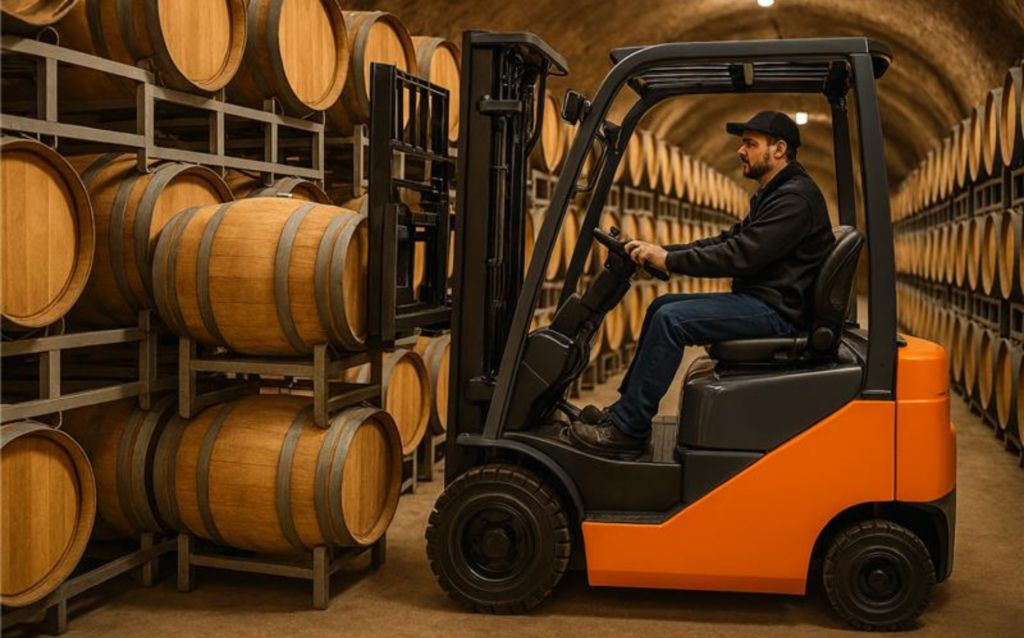
In‑House Safety and Risk Management
Proactive services helping wineries and vineyards reduce risk while supporting OSHA and regulatory compliance across operations.
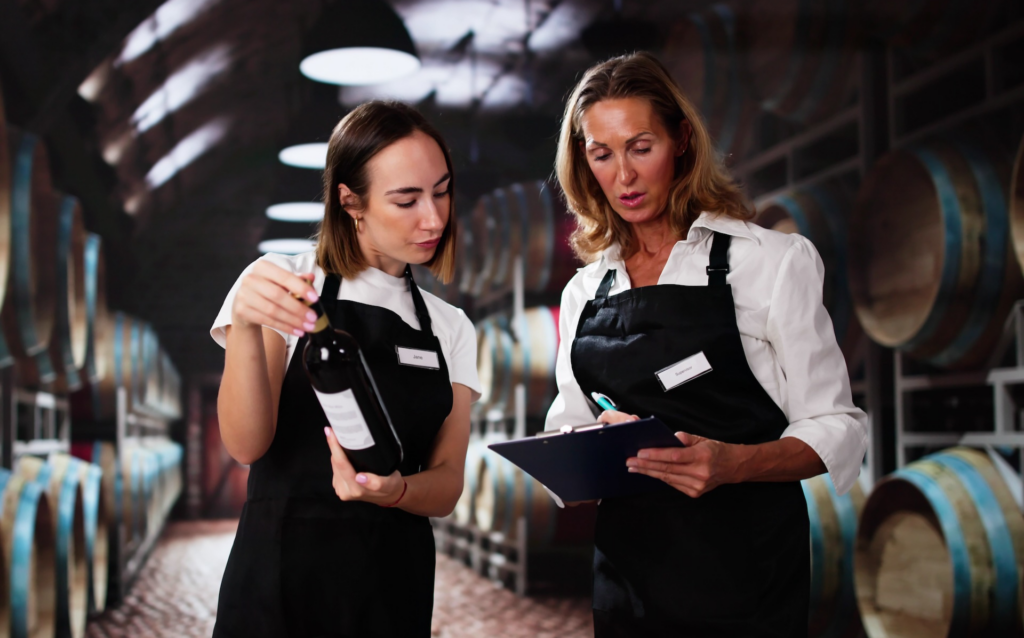
Employee Benefits for Wineries
Benefit solutions designed to attract and retain talent across vineyard, production, sales and hospitality operations by providing comfort and peace of mind to team members and their family.

Workers’ Compensation Insurance
Tailored coverage protects winery and vineyard employees while addressing the physical demands of agricultural operations risks. Coverage applies across the vineyard, winery, distribution activities and related operations.

Winery Insurance Programs
Specialized coverage protecting winery and vineyard operations across production, distribution and hospitality. The coverage includes, but is not limited to the following.